© jdamfPUBLISH a wholly owned subsidiary of Snoozing Dogs Productions©
jdamfpublish@jdamf.co.uk
Made with Xara
The Sacred Sea
The Sacred Sea is a story about Evgeny Yegerov, previously a cold-blooded assassin for the government, who has put most of that behind him, to lead an uneventful life behind his desk as the Director of Criminal Investigation in Ulan-Ude. Until now he has never come across Myung-He, an alien commander ordered to earth to secure a supply of water following a space convoy accident. She wasn’t expecting human civilization but has been conducting a successful covert operation for ten years, using Russian gangsters, the Vladivostok Bratva, as a way of funding it. Unfortunately, Myung-He’s mission begins to unravel when her deputy, Seo- Yun goes rogue in a flat out attempt to seize wealth and power. Myung-He launches a desperate operation to stop her deputy without compromising the mission. Meanwhile Evgeny’s past catches up with him when the Bratva apparently murders the wife of his former friend-turned-adversary. The murder disrupts Evgeny’s long- term plans to take down the Bratva, who are operating from a hotel suite in his city. He believes they are employing a female hacker for lucrative international cybercrimes but, unknown to both him and the Bratva, she is Myung-He’s deputy, amassing a fortune. Evgeny and Myung-He’s worlds collide when his raid on the Bratva goes disastrously wrong and a hotel is almost destroyed. Following a shoot-out and frantic chase involving armoured personnel carriers, Evgeny manages to capture the hacker. Initially he suspects she is a member of a terrorist group. She stubbornly resists all attempts to get her to co-operate. Just when it seems Evgeny will lose control and Moscow will take over, he brings in two members of his old military team to get her to talk. It works, but suddenly Evgeny is confronted with the shocking truth; aliens have been stealing water from Lake Baikal. Evgeny and his colleagues wrestle with their discovery. Concerned they might be ridiculed if they reveal an uncorroborated story obtained under duress and motivated by a desire to take their places in history, they decide to keep quiet until all the aliens are captured. They arrange a raid on the alien’s base, a disused paper mill, and trick the FSB in to carrying it out without telling them the truth. However, Myung-He anticipates all their steps. The raid on the aliens’ stronghold leads to an apocalyptically violent battle. Using superior technology, Myung-He escapes but Evgeny pursues her through the forests. The chase ends in a bloody ambush at a river, where both sides think they have won. However, Myung-He, always one step ahead, manages to escape and puts her back up plans into action.
Sibir
LAKE BAIKAL The Chinese referred to Lake Baikal as Beihai when they travelled with the Huns but Baikal probably came from the Yakut, Baigal - meaning sea. Baikal was a place of magic, mystery and awe - the Sacred Sea. Lake Baikal formed from a geographical upheaval, where two continental plates collided, was part of the process that led to the formation of the Mediterranean and the Black Sea, that started about twenty-five million years ago but peaked in activity three to five million years ago. It was enormous - six hundred and thirty-six kilometres long and at its deepest, one thousand six hundred and twenty metres. It contained about twenty percent of the world's fresh water; more than all the Great North American lakes combined. There were three hundred to five hundred tributaries to the lake, but only one outlet, the Angara, which was dammed at Irkutsk in the 1950s, raising the level of the lake by 1.4metres. The lake was cold, apart from the surface in summer and was rich in oxygen, which supportede a variety of microorganisms.
Buryat Republic, Sibir
The territory of Sibir extended eastward from the Ural Mountains to the watershed between the Pacific and Arctic basins, and southward from the Arctic Ocean to the hills of north-central Kazakhstan and the borders of Mongolia and China. Some said that its name originated from the Siberian Tatar word for "sleeping land" (Sib Ir) but others disagreed. Many called it Siberia. With an area of nearly ten million square kilometres, Sibir was vast. To the west, it was a swampy plain, whereas the central plateau was heavily forested, and the east boasted mountains that towered above three thousand metres. True tundra was found in the extreme north, where the temperature could plummet to minus sixty-eight degrees Centigrade in winter. Sibir made up about two thirds of Russia's territory, but held less than a third of Russia's population. That was equivalent to an average population density of about three inhabitants per square kilometre, making it one of the most sparsely populated regions on Earth. The Republic of Buryatia is part of the Russian Federation in South East Siberia, with a population of about a million people. It consists of Russians, Buryats, Evenks, Soyotes and others, ethnic Buryats make up a third of the population. The Russian settlements in Buryatia started in the 17th century when mainly Cossacks sought their fortune in Trans-Baikalia. Another large ethnic Russian group in Buryatia and Trans-Baikal is made up of the ‘so-called’ Old Believers (‘semeiskiye’), really the descendants of Old Believers who were exiled to Siberia in the second half of the 18th century. The sharp, continental climate of Buryatia causes a large range in annual and daily temperatures. However, the most notable feature of the Buryat climate is clear skies – nearly three hundred days of sunshine each year.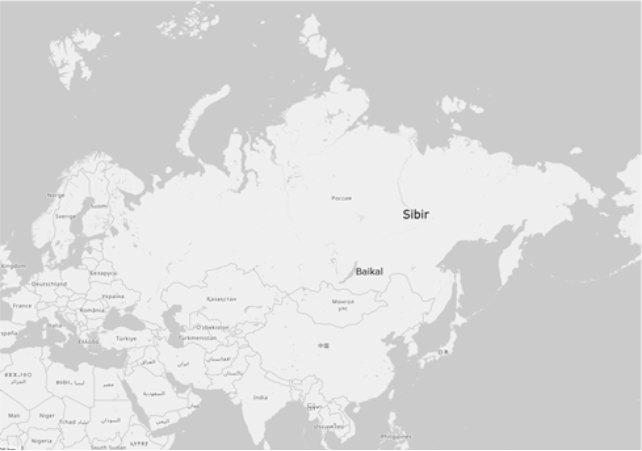
© OpenStreetMap contributors
Ulan Ude
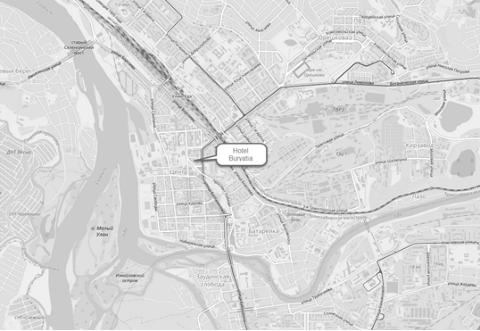
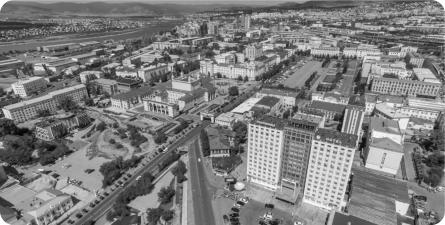
The Cossacks started trading in 1625 at Udinsky Ostrog -the fort at the confluence of the Uda and Selenga rivers. After several name changes, the name Ulan- Ude was finally settled on in 1934, the industrial and commercial centre of the Buryat Republic, it is closer to Beijing, Tokyo or Delhi than to Moscow.

© OpenStreetMap contributors
© OpenStreetMap contributors













JdamfPUBLISH

© jdamfPUBLISH a wholly owned subsidiary of Snoozing Dogs Productions©
jdamfpublish@jdamf.co.uk
Made with Xara
The Sacred Sea
The Sacred Sea is a story about Evgeny Yegerov, previously a cold-blooded assassin for the government, who has put most of that behind him, to lead an uneventful life behind his desk as the Director of Criminal Investigation in Ulan-Ude. Until now he has never come across Myung-He, an alien commander ordered to earth to secure a supply of water following a space convoy accident. She wasn’t expecting human civilization but has been conducting a successful covert operation for ten years, using Russian gangsters, the Vladivostok Bratva, as a way of funding it. Unfortunately, Myung-He’s mission begins to unravel when her deputy, Seo- Yun goes rogue in a flat out attempt to seize wealth and power. Myung-He launches a desperate operation to stop her deputy without compromising the mission. Meanwhile Evgeny’s past catches up with him when the Bratva apparently murders the wife of his former friend-turned-adversary. The murder disrupts Evgeny’s long-term plans to take down the Bratva, who are operating from a hotel suite in his city. He believes they are employing a female hacker for lucrative international cybercrimes but, unknown to both him and the Bratva, she is Myung-He’s deputy, amassing a fortune. Evgeny and Myung-He’s worlds collide when his raid on the Bratva goes disastrously wrong and a hotel is almost destroyed. Following a shoot-out and frantic chase involving armoured personnel carriers, Evgeny manages to capture the hacker. Initially he suspects she is a member of a terrorist group. She stubbornly resists all attempts to get her to co-operate. Just when it seems Evgeny will lose control and Moscow will take over, he brings in two members of his old military team to get her to talk. It works, but suddenly Evgeny is confronted with the shocking truth; aliens have been stealing water from Lake Baikal. Evgeny and his colleagues wrestle with their discovery. Concerned they might be ridiculed if they reveal an uncorroborated story obtained under duress and motivated by a desire to take their places in history, they decide to keep quiet until all the aliens are captured. They arrange a raid on the alien’s base, a disused paper mill, and trick the FSB in to carrying it out without telling them the truth. However, Myung-He anticipates all their steps. The raid on the aliens’ stronghold leads to an apocalyptically violent battle. Using superior technology, Myung-He escapes but Evgeny pursues her through the forests. The chase ends in a bloody ambush at a river, where both sides think they have won. However, Myung-He, always one step ahead, manages to escape and puts her back up plans into action.Buryat Republic, Sibir
The territory of Sibir extended eastward from the Ural Mountains to the watershed between the Pacific and Arctic basins, and southward from the Arctic Ocean to the hills of north-central Kazakhstan and the borders of Mongolia and China. Some said that its name originated from the Siberian Tatar word for "sleeping land" (Sib Ir) but others disagreed. Many called it Siberia. With an area of nearly ten million square kilometres, Sibir was vast. To the west, it was a swampy plain, whereas the central plateau was heavily forested, and the east boasted mountains that towered above three thousand metres. True tundra was found in the extreme north, where the temperature could plummet to minus sixty-eight degrees Centigrade in winter. Sibir made up about two thirds of Russia's territory, but held less than a third of Russia's population. That was equivalent to an average population density of about three inhabitants per square kilometre, making it one of the most sparsely populated regions on Earth. The Republic of Buryatia is part of the Russian Federation in South East Siberia, with a population of about a million people. It consists of Russians, Buryats, Evenks, Soyotes and others, ethnic Buryats make up a third of the population. The Russian settlements in Buryatia started in the 17th century when mainly Cossacks sought their fortune in Trans-Baikalia. Another large ethnic Russian group in Buryatia and Trans-Baikal is made up of the ‘so-called’ Old Believers (‘semeiskiye’), really the descendants of Old Believers who were exiled to Siberia in the second half of the 18th century. The sharp, continental climate of Buryatia causes a large range in annual and daily temperatures. However, the most notable feature of the Buryat climate is clear skies – nearly three hundred days of sunshine each year.
Ulan Ude
The Cossacks started trading in 1625 at Udinsky Ostrog -the fort at the confluence of the Uda and Selenga rivers. After several name changes, the name Ulan-Ude was finally settled on in 1934, the industrial and commercial centre of the Buryat Republic, it is closer to Beijing, Tokyo or Delhi than to Moscow.